A Vision for Zero Emission Fossil Fuel Power Plants
20th anniversary
Policy
Aug 12 2006
Published in 2006, A Vision for Zero-Emission Fossil Fuel Power Plants was the first report produced by the Zero Emissions Platform (ZEP). Developed at a time when carbon capture and storage (CCS) was still emerging in European policy debates, the report set out the role of CCS in supporting Europe’s climate objectives, energy security and industrial competitiveness, and outlined a strategic framework for large-scale implementation over the coming decades. This first report offers a window into the origins of ZEP’s mission, illustrating how early thinking on CCS helped lay the foundations for today’s efforts to deploy industrial carbon management at scale across Europe.
Foreword from the European Commission
A sustained economic growth for Europe and its citizens requires energy sources compatible with theenvironment. The need to expand, modernise and renew Europe’s fleet of power generation plants has to take this into account. It is a major challenge to meet the growing electricity demand with a more sustainable and diversified power generation system, which will still rely substantially on fossil fuels for some decades, notably from a climate change perspective. Research and development has a major role to play in this respect.
The move towards a more integrated European Research Area has resulted in a better pooling of previously dispersed expertise and resources. Under the EU’s Sixth Framework Programme (FP6), important projects and actions have benefited from improved information exchange, innovative solutions and better coordination. Technological advances in zero emission power generation based on fossil fuels are no exception to this rule: they are both stimulating and benefiting from the generation of new knowledge, innovation and an enhanced European integration.
The vision for zero-emission power plants based on fossil fuels presented here by the Advisory Council of the technology platform proposes that Europe should move forward in different ways in thisimportant field. This vision has the potential to lead to new products and services, and to provide Europe with a competitive edge in a global market place.
At the same time, it would ensure an efficient and environmentally compatible electricity supply for Europe and its citizens. All this makes this platform and its proposed strategy an important element on the road to achieving the largest knowledge-based economy in the world.
In this highly strategic and competitive sector, efficient knowledge sharing and pooling of research and technological development of several disciplines are now critical. Through co-operative RTD actions, both within and outside of the Union, Europe is creating a critical mass of expertise, ideas and solutions, strengthening European excellence.
The setting up of this Technology Platform for ”Zero Emission Fossil Fuel Power Generation” isone essential way of responding to these ambitious objectives. It will need to bring together all the parties involved to develop and implement the Strategic Research Agenda and the Strategy Deployment Document.I wish this initiative every success and look forward to seeing the activities of the platform leading to a more sustainable energy system for Europe and the world.
Janez Potočnik, Commissioner for Science and Research
Executive summary
The European Union must maintain its leading position in combating climate change, ensure global competitiveness for European industry, and deliver long-term security of the energy supply. The European Technology Platform for Zero Emission Fossil Fuel Power Plants has been set up to play a crucial role in enabling Europe to fulfil this commitment, with the development and deployment of new competitive power plant options over the next fifteen years.
Rising temperatures
According to the United Nations Intergovernmental Panel on Climate Change (IPCC), greenhouse gas emissions — especially CO2 arising from industrial activities — have already made the world warmer. If no action is taken, there will be a continued increase in global temperatures and, by the end of the century, global economies and ecosystems will face serious consequences.
As the European Commission highlighted in its Green Paper on a European Strategy for Sustainable, Competitive and Secure Energy, Europe is committed to retaining its leadership role in reducing CO2 emissions and thus combating climate change. At the same time, Europe must maintain economic growth and bolster its competitive position in the global economy; this presents major challenges but also creates new opportunities.
Increasing demand
Current scenarios and projections to 2030 indicate that there will be an increase in worldwide energy demand. While a portfolio approach to fuel use will be adopted, there is clear evidence that fossil fuel resources — coal, oil and gas — will continue to dominate. Consequently, unless specific policy initiatives and measures are undertaken, global CO2 emissions will rise by an unacceptable 60 % before 2030.
As stated by the IPCC, the challenge presented is the reduction of CO2 emissions by 50 – 80 % between now and 2050. This is a demanding target for the European energy sector and its related industries to reach over the coming decades. At the same time, the EU has considerable experience of CO2 separation and underground storage for enhanced oil recovery and has discovered that CO2 capture and storage (CCS) for application to power plants offers a sound technical basis to achieve the necessary emissions reductions. This offers the European energy industry a real chance to gain a competitive edge in global markets by producing innovative and commercially viable technologies that eliminate CO2 emissions from fossil fuel-based power production.
The European vision for Zero Emission Fossil Fuel Power Plants
The formation of the European Technology Platform for Zero Emission Fossil Fuel Power Plants (ZEP) represents the commitment of the European energy industry, research community, Non-Governmental Organisations, Member States and the European Commission to move forward in research, development, demonstration and deployment activities. A common vision will unite industry, research institutes, Member States’ governments and European Commission actions in ensuring an effective European programme. Their aim will be to identify and develop a portfolio of technologies, taking into account time, funding, the environment, public acceptance, and fiscal and regulatory issues necessary for the successful deployment of Zero Emission Fossil Fuel Power Plants over the next fifteen years.
ZEP will prepare a Strategic Research Agenda to establish the most efficient fossil fuel power plants that could contribute to the reduction of emissions and the conservation of energy resources. Various processes will be integrated into these plants to capture the CO2 and then store it safely underground for thousands, or even millions, of years. A power plant equipped with this CCS technology will emit almost no CO2, making the concept of a Zero Emission Fossil Fuel Power Plant a reality. There will also be opportunities to establish such zero-emission concepts for other industrial applications.
An integrated approach will be adopted, embracing new technologies as well as infrastructure and societal issues. The development of both a framework and the market conditions needed to create demand for these CCS technologies will be crucial. Hence, policy, regulatory and fiscal barriers must be specifically addressed in order to establish new commercial CCS projects. These regulations and policies must be long-term, i.e. beyond 2012, to give rise to the conditions necessary for commercial investment decisions to be made.
Fiscal incentives may also be needed to motivate private enterprises to invest in CCS projects. Such incentives must ensure that CCS projects receive similar treatment to those using renewable energy sources and energy efficiency programmes. These policy proposals must be reflected in the Commission’s forthcoming communication on Phase 2 of the European Climate Change Programme (ECCP).
Delivering the benefits
The formation of ZEP confirms the European Union’s continued commitment to reducing CO2 emissions and keeping the average global temperature increase below 2˚C relative to the pre-industrial level. This bold approach to research, development and demonstration will address technical, commercial, regulatory and market issues, minimise risk and give the EU industry the confidence to make the business decisions required to introduce Zero Emission Fossil Fuel Power Plants.
The development of the innovative technologies required for achieving this vision will enhance European industrial and economic competitiveness, thereby providing a means to better meet global market challenges and offering job security to many European citizens.
European pathway to CCS
ZEP recognises that public acceptance of the role of CCS technology in mitigating climate change will be a prerequisite to its large-scale deployment. Since the mid-1990s, there have been a number of European R&D projects examining the entire chain from capture and transport to underground storage. Following on from this, several industrial demonstration-scale CCS projects have been announced. Experience gathered from such projects will be valuable for public understanding and will feed into the planning and development of additional new projects.
Climate change is a global problem, and the need for an international approach is clearly recognised. Encouragement for international R&D cooperation on ZEP technology will continue, in particular with India, China and Russia. This will offer significant global benefits in terms of CO2 emission reductions, as well as major business opportunities for the EU industry in these new markets.
Introduction
The world continues to face a major challenge in meeting the often-conflicting needs of the environment, human health and economic development, whilst at the same time ensuring security of energy supply. Fossil fuels may be critical in ensuring today’s economic and energy security, but their use also has a major impact on the environment due to the emission of greenhouse gases (GHG). Europe is committed to rising to these challenges, taking steps to establish advanced technologies that will greatly reduce GHG emissions in an efficient and cost-effective way.
Tackling climate change
The United Nations Intergovernmental Panel on Climate Change (IPCC) has concluded that, if major disasters are to be averted, global warming must not exceed 2°C above the
pre-industrial average and that atmospheric CO2 concentrations must be stabilised at 450 parts per million by volume (ppmv). As shown in the diagram below, the current CO2 level is rising rapidly towards the maximum level. This indicates the need for a worldwide reduction in emissions of over 50%, with industrialised countries needing to cut GHG emissions by a factor of 4 or 5. Following the signing of the Kyoto Protocol and its implementation in 2005, 162 countries — between them are responsible for some 62% of the emissions from developed countries — have signed their commitment to reduce GHG emissions by 2012 to 94.8% of 1990 levels. Beyond that timeframe, in the post-2012 scenario, more stringent limitations on CO2 emissions will be required, with scenarios projecting deeper cuts in emissions of over 50% by 20502.
Atmospheric concentration of CO2 (IPPC-2005)
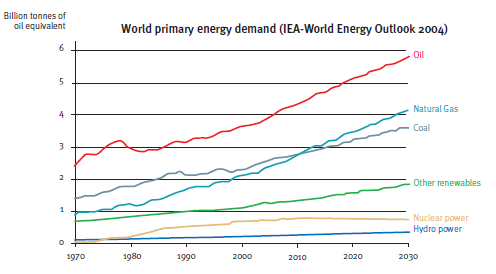
World primary energy demand (IEA-World Energy Outlook 2004)
Continued role for fossil fuels
The IEA has forecast a massive increase in global energy demand between 2004 and 2030, including a doubling of electricity demand, with nearly 5000 GWe of new generating capacity being installed worldwide3. This, together with other recent major economic projections, suggests that over the next three decades at least, fossil fuels (coal, oil, gas) will continue to dominate the global power generation market. At the same time, the impacts of increased CO2 emissions are becoming more evident: rise in sea level, increased ocean acidification, warmer temperatures, and climate change. All of this confirms that society has a major problem to address and that rapid action needs to be taken — mainly by the industrialised nations, but also by those undergoing rapid industrialisation, development and economic growth.
The European Commission has addressed these matters in its Energy Green Paper, and has specifically highlighted the environmental challenges, security of energy supply and industrial competitiveness as central issues for the development of energy policy priorities.
Reducing CO2 emissions in the energy sector has become a top priority for national governments within the European Union. The main approaches that will be used to reduce CO2 emissions are:
Reducing end consumption of energy through demand side management;
Increasing the efficiency of energy conversion and utilisation;
Switching to lower carbon content fuels, e.g. natural gas instead of coal;
Enhancing the sinks for CO2, e.g. forests and soils which draw down CO2 from the atmosphere, and reduce forest burning;
Using energy sources such as nuclear energy, solar, wind or hydro-power which have zero or very low CO2 emissions;
Using CO2-neutral fuels such as biomass;
Capturing and storing CO2 from fossil fuel combustion.
Measures to reduce energy consumption and switch to low-carbon fuels are immediately cost-effective and will deliver useful reductions in emissions. Enhancing natural sinks such as forests could contribute in the short term, but the capacity of the sinks is limited and carbon stored in them is not always secure. In the longer term, large reductions in emissions could, in theory, be achieved through a widespread switch to non-fossil fuel energy sources, providing these are safe and affordable. However, adopting such fuel-switching to non-fossil sources and introducing efficiency measures at a realistic pace will not be enough to meet the currently required CO2 reduction requirements. Emissions must be cut rapidly in order to avoid further adverse climate change.
Within Europe, electricity generation from fossil fuels is the single largest source of CO2 emissions from any industry sector and comprises large point sources of emissions. In addition, power generation from fossil fuels is dominated by a relatively small number of industrial companies.
There is an urgent need over the next 25 years to build new plants and to retrofit existing power stations, with the possibility of achieving large and highly visible emissions reductions in a relatively short space of time. Coherent and cooperative early action within the industry could significantly help in meeting the challenges faced.
Carbon Dioxide Capture and Storage (CCS) is a technology with the potential to reduce the GHG problem while allowing the continued use of fossil fuels. With CCS, the CO2 arising from fossil fuel use is captured and then stored in secure geological formations. In this way, CCS has the potential to sustain quality of life and the environment, while maintaining reliable, diverse and secure power generation for at least the next 50 years.
The adoption of CCS technologies would enable the world to continue to use fossil fuels with greatly reduced emissions of CO2, whilst at the same time preparing for the eventual switch to a fully carbon-neutral energy economy. However, in order for CCS to be introduced on a commercially viable basis, there are still some technical issues that must be overcome. These include conforming to national and international legal requirements, ensuring safe and reliable storage, and, importantly, gaining public acceptance.
It is against this background that the European Zero Emission Fossil Fuel Power Plants Technology Platform (ZEP) has been created. An industry-led cooperative grouping of key stakeholders, the platform aims to determine a vision for the future. It will respond to current challenges and coordinate the establishment and implementation of a Development and Deployment Programme, fulfilling the needs of European citizens and industry by 2020.
Energy issues for Europe
Europe has entered a new energy era, in which sustainability, competitiveness and security of supply are the overriding objectives. The EU energy industry has three principal concerns:
Ensuring security of energy supplies on a sustainable basis;
Implementing technologies that can achieve deep reductions in CO2 emissions from fossil fuel power plants;
Maintaining EU industrial competitiveness to meet the global market challenge for advanced fossil energy power plants with integrated CCS.
Ensuring security of energy supply
The future energy needs of the enlarged European Union (EU) require the full range of available fuels to be utilised in an environmentally acceptable way. Such diversity helps to guarantee security of supply and means that energy will be provided in a sustainable way. Fossil fuels will therefore continue to play a major role within Europe over the coming decades. Coal, with both significant indigenous resources in Europe and large worldwide reserves, has a major role to play in this EU energy mix — although it is faced with particular challenges in achieving environmental compliance.
Protecting the environment
A major step towards meeting the environmental challenge was the implementation in 2005 of the European Union Emissions Trading Scheme (ETS). The EC required that mandatory emissions limits be placed on all large industrial and energy-intensive businesses, to be managed through an ETS tailored to the Kyoto Protocol. The ETS covers five industrial sectors across 25 EU Member States and the three EEA States (Iceland, Liechtenstein and Norway). It applies to power generation plants of capacity greater than 20 MW, together with industrial installations
The 1 t/hour CO2 capture pilot plant using an amine wash process that is installed at the Elsam Esbjerg power plant in the framework of the EC CASTOR project (courtesy of IFP)
such as refineries, coke ovens, cement, metals, minerals and the pulp and paper industries (but excluding the chemicals sector and hazardous or municipal waste burners). About half of the total EU CO2 emissions are covered by the scheme, with 5,000 firms taking part. Currently, only CO2 is traded, since it accounts for 80% of emissions in the EU, but other gases will be traded from 2008 when the scheme extends to other sectors.
The European Climate Change Programme (ECCP) was established to identify the most promising and cost-effective technological routes, with regard to the practicalities of reducing GHG emissions. Phase 1 emphasised a combination of more rational use of energy in all sectors and a switch to lower carbon fuels, including higher levels of renewable energy sources. Phase 2 began in October 2005 and has included a working group on CCS, with one of its objectives being to introduce CCS to the European ETS.
Under the Kyoto and post-2012 scenarios, increasingly stringent limitations on CO2 emissions will be required by 2050. In 2005, the EC published a Communication with the title Winning the Battle Against Global Climate Change. It identified three challenges in stabilising the CO2 concentration in the atmosphere at a maximum of 450 ppmv (in 2005 it was 381 ppmv), and keeping the increase in global average temperature below 2°C relative to the pre-industrial level. Each of these challenges recognises the important role of technology:
Participation Challenge: Major emitters, particularly in developing countries, are encouraged to join in international efforts to promote scientific R&D cooperation and technology transfer.
Innovation Challenge: A combination of “push and pull” technology policies is required: a pull is generated by stimulating markets to promote the adoption of new technologies, and a push by investing in the knowledge economy to give the EU a competitive edge in a low-carbon future.
Adaptation Challenge: Preventive and remedial adaptation efforts are required around the globe.
For fossil fuel power plants in the short term, significant reductions in CO2 emissions can be achieved by replacing older power plants with the new, higher efficiency plants now available. However, in the medium to long term, fossil energy usage will require technologies to achieve zero emissions. This will mean the use of CCS integrated with state-of-the-art fossil fuel power plants. Because of the age profile, the EU power plant replacement programme must be consistent and “in tune” with the development of the market (subject to changes from increased liberalisation, greater privatisation and more de- or re-regulation). The value of CO2 that is established under the ETS could have a significant impact and greatly influence the routes taken to deploy the various technologies. An increase in the value of CO2 would inspire investment in CO2 capture technologies and new CO2capture-ready power plants.
For the future, the final report of the ECCP Working Group on Carbon Capture and Geological Storage, adopted on 1 June 2006, recommends that CCS activities be recognised in the EU emissions trading scheme. The Commission is planning to issue a Communication on CCS in the 3rd quarter of 2007, which will address options for doing so. Following the adoption of the so-called “Linking Directive” in 2004, the EU emissions trading scheme already allows companies to use credits from Clean Development Mechanism (CDM) and Joint Implementation (JI) projects to comply with their obligations under the scheme. This will also include CCS project activities, once the UN has elaborated modalities for doing so.
European industrial competitiveness
In a post-2012 scenario, the EU power generation industry and its equipment manufacturers need to be in a competitive position on world markets, for the benefit of Europe as a whole.
Currently, the industry is winning about half of all sales worldwide, in the face of fierce competition, and this leading global position must be maintained. An upsurge is expected in the construction of new and retrofit fossil fuel-fired power stations to supply the 4500 – 5000 GW of new generation plant that will be needed by 2030. This presents an important market opportunity for the EU industry to supply such export markets, particularly in Eastern Europe, Asia and Australasia, provided that the necessary technology is developed and demonstrated.
Historically, EU industry has a strong reputation for innovation in the development of advanced systems and components, arising largely from RTD projects supported by the EU. At present, employment in the power generation equipment and supply industry throughout Europe is about 250,000. This is comparable to other large industries such as aerospace, and is under threat if the EU industry fails to capture and maintain this large export market.
The main technologies used to generate power from fossil fuels are natural gas combined cycles (NGCC) and coal-fired steam cycles, while Integrated Coal Gasification Combined Cycles (IGCC) have also been established. CO2 capture could be incorporated in all of these types of plants, with the IGCC process expected to have the greatest potential among the processes with CO2 capture.
There will be significant competition from industry in the USA and Japan, where government support for the development of carbon management techniques is significant (and exceeds the levels allowed under present European competition rules). Such assistance is given in expectation that the return on investment will come from increased exports of advanced technology.
RTD activities within Europe
In line with energy sector priorities, EU industry — either through Member States or EC-supported programmes — is working extensively to take forward the various technology options to achieve the basis for commercially viable systems. This includes RD&D for:
Large-scale generation of electricity and/or heat with reduced CO2 emissions from coal, biomass and other fuels, including combined heat and power;
Cost-effective environmental abatement technologies for power production;
CCS, with the emphasis on cost-effective capture technologies and safe, environmentally compatible geological disposal options.
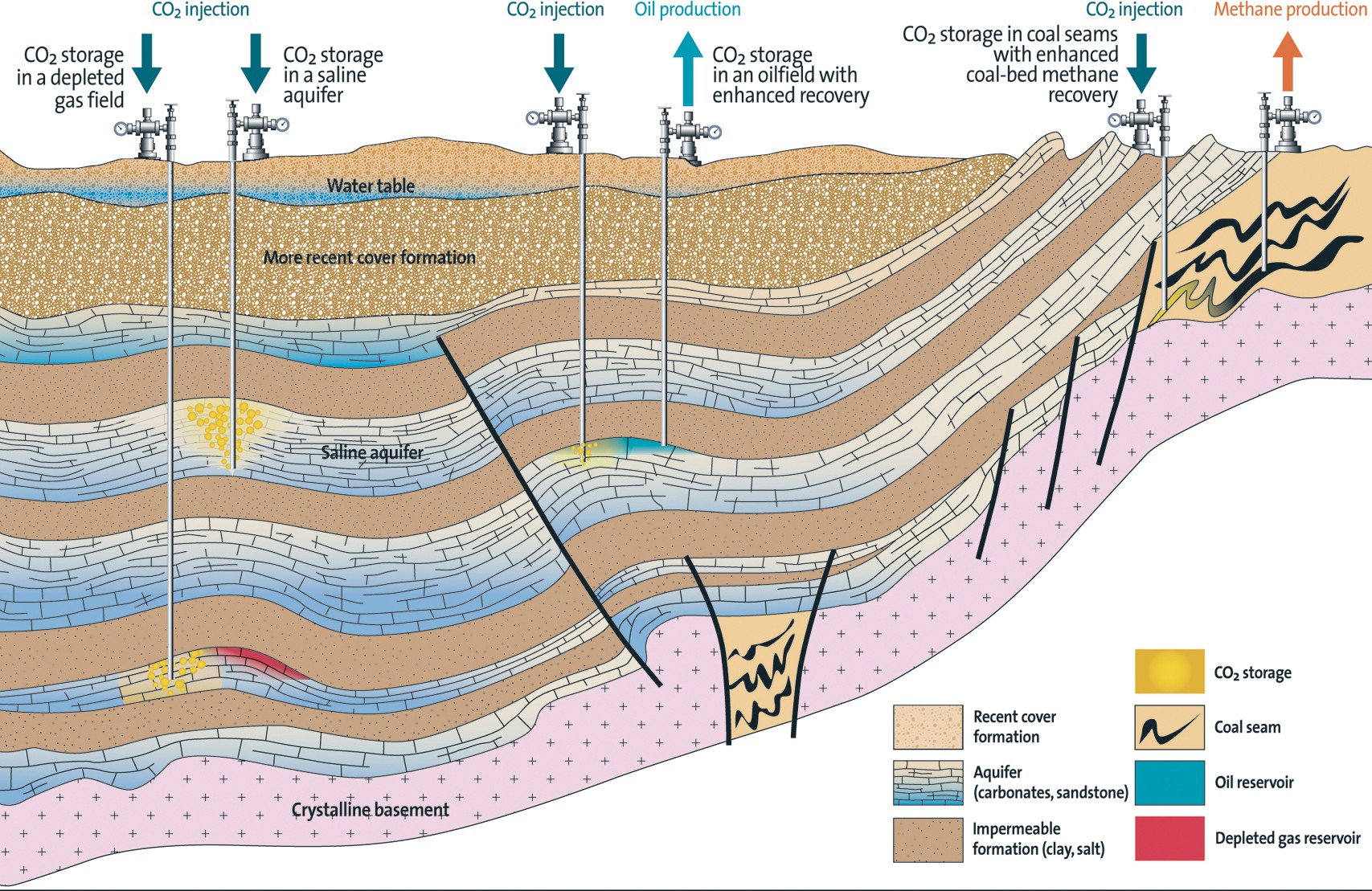
Since CCS involves high costs, of which capture represents 70-80%, a primary RTD objective is to reduce the costs of CO2 capture to 10-20 € per tonne of CO2, while achieving rates above 90%. The reliability and long-term stability of CO2 storage must be assessed in order to map geological storage potential, determine safety aspects, and build public confidence and acceptance. The CO2 storage options of interest to the EU include geologically-based storage in aquifers, depleted oil and gas reservoirs (with the possibility of enhanced oil and gas recovery), and deep unmined coal beds (offering the benefit of enhanced coal bed methane recovery). In addition, further promise lies in certain chemical techniques and other innovative methods.
In the transition to a fully sustainable energy economy, hydrogen is likely to be produced in the main from fossil fuels. During fossil fuel-based gasification, when CO2 is removed from the gas stream, the fuel that remains is hydrogen. Accordingly, EU activities include the HYPOGEN “quick start” initiative, which is preparing for a full-size demonstration plant for the production of hydrogen from fossil fuels with CO2 capture and storage (DYNAMIS is the first stage feasibility study within this initiative). This was proposed under the European Initiative for Growth, with a view to stimulating the European economy and, under this scheme, the link between CCS and the future hydrogen economy is emphasised.
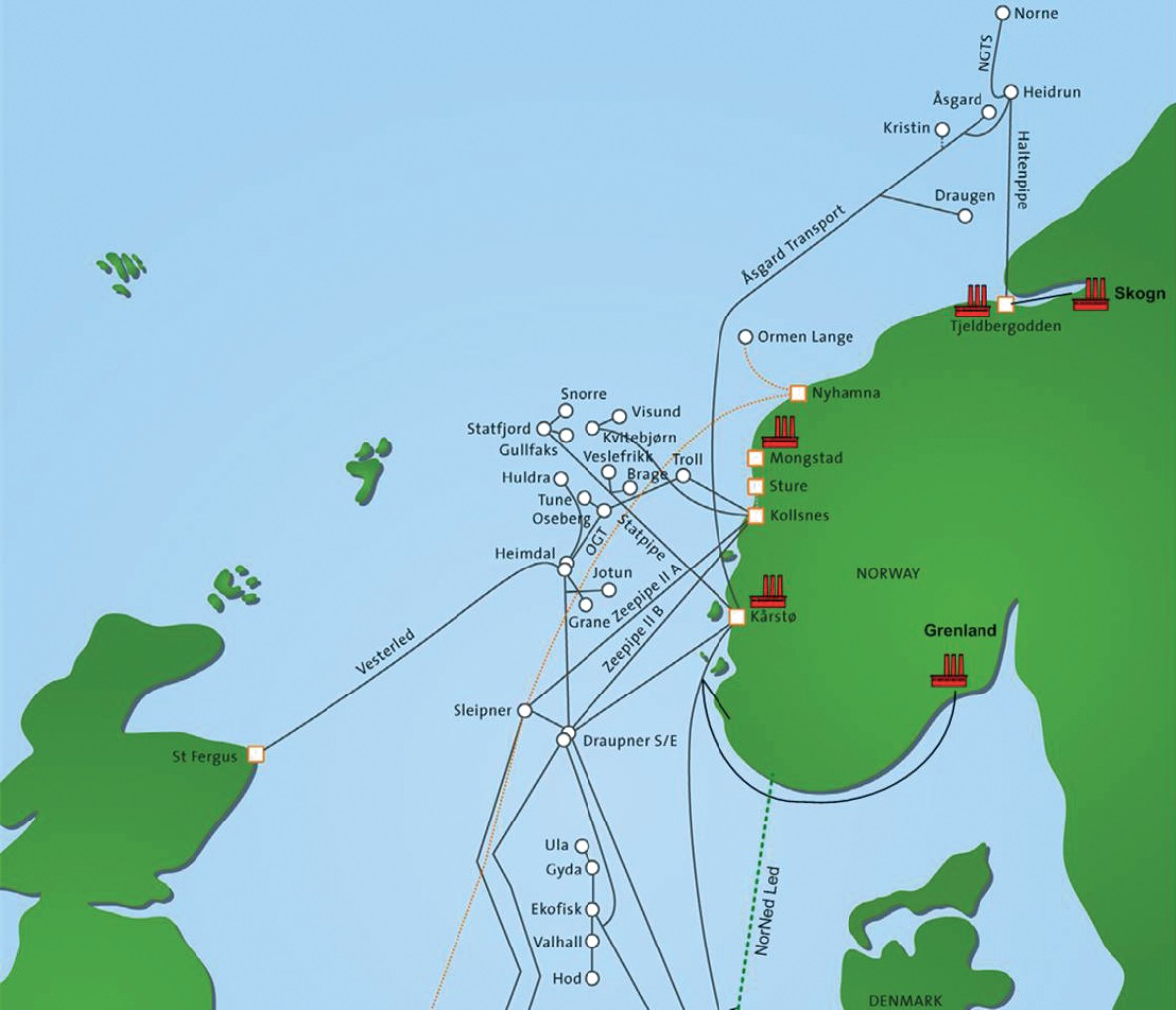
A map of part of the North Sea basin, which indicates the scope for establishing large-scale CO2 storage facilities in the region.
The EC is also involved in the coordination of Member State activities towards the creation of the European Research Area. The Fossil and Energy Coalition (FENCO) project is a joint action that could precede a unified approach in Europe concerning fossil fuel power generation — the end result would be the development of near-zero emission technologies and carbon management strategies.
RTD initiatives worldwide
Within the EC, there is clear recognition that an international approach is required to deal with environmental challenges. The EC is involved in a wide range of international cooperation and coordination activities, which complement its support for EU RTD activities.
The EC plays an active role in the International Energy Agency (IEA) of the OECD. It participates in the “Committee of Energy Research and Technology (CERT) and in the Working Party on Fossil Fuels (WPFF), with a particular role in the Zero Emission Technologies (ZETS) strategy. It also sponsors and participates in the IEA Greenhouse Gas and Clean Coal Centre Implementing Agreements. As a member of the Carbon Sequestration Leadership Forum, the EC is part of an international initiative that also involves 22 countries from around the world.
The EU has Science and Technology Cooperation Agreements with many countries, including Argentina, Australia, Brazil, Canada, China, India, Russia, South Africa and the SA. One example of these agreements is the EU-China Memorandum of Understanding on near-zero emission power generation through carbon dioxide capture and storage. As part of this accord, the European Commission and its Chinese counterparts have acknowledged the importance of close coordination to reduce the impact of the use of fossil fuels on global climate change.
Large-scale initiatives to ensure the clean use of fossil fuels and include them in carbon management strategies are appearing worldwide. In the USA, these include: major programmes within the regional partnership initiative, ambitious projects such as FutureGen, and activities within the Carbon Sequestration Leadership Forum. Of particular note is the Weyburn project in Canada, which involves the injection of CO2 into 17 oil wells in a mature oilfield in southern Saskatchewan. The CO2 comes from the Great Plains Synfuels generating Plant in North Dakota and is transported from the USA to Canada via 330 km purpose-built pipeline.
In Australia, CSIRO and CRC are collaborating with universities and Australian coal and power companies to carry out extensive research into advanced gasification technologies, promoting hydrogen production and CO2 capture and storage. The Stanwell Corporation is constructing a 190 MW IGCC power plant with carbon capture and storage near Rockhampton in Queensland, which will include piping the CO2 200 km west to the Denison Trough.
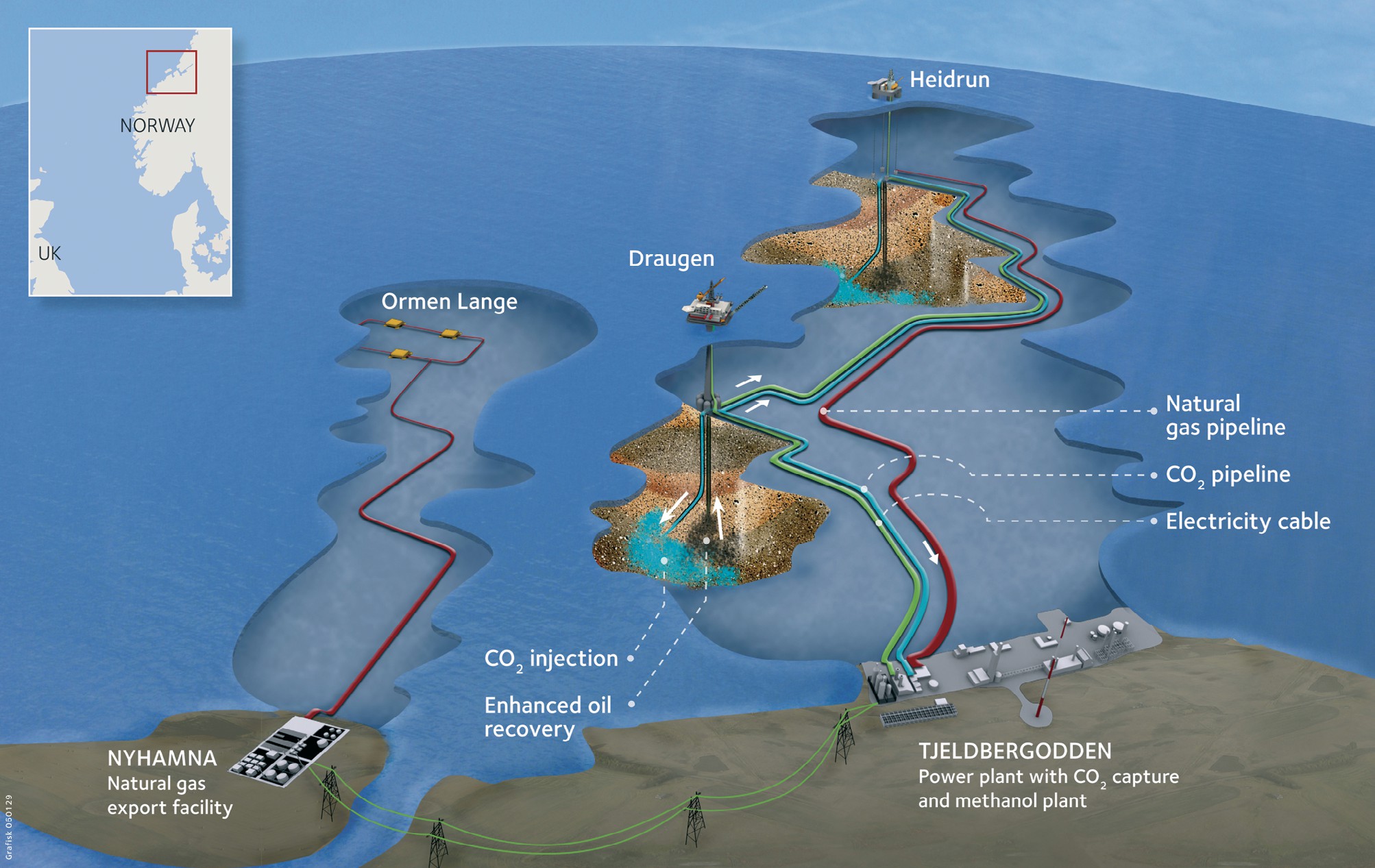
The Statoil and Shell industrial realisation project at Tjeldbergodden
In Japan, RITE is investigating ocean storage of CO2 using ocean-going ships. Liquid CO2 is delivered by ships to sites several hundred kilometres offshore and is injected into the ocean at depths of 1500 – 2000m. The research is targeted at establishing the best injection techniques, determining the effects on marine organisms, and developing models to assess the environmental impacts near the area of CO2 injection. Japan is also trying to develop novel CO2 absorbents that can regenerate at lower temperatures and use less energy than those currently available. Other projects are investigating storage in coal seams and methane recovery technologies.
Taking technologies forward
CCS activities are being driven forward by EU industry, which recognises that large-scale demonstrations are needed to prove the commercial viability of technologies and to inspire public confidence. Recently, Shell and Statoil signed an agreement to work on a project injecting CO2 into the Draugen and Heidrun offshore oil and gas fields from a gas-fired power plant and methanol production facility at Tjeldbergodden in Mid-Norway. Power from the plant will also be provided to the offshore fields, resulting in near-zero CO2 emissions from these installations.
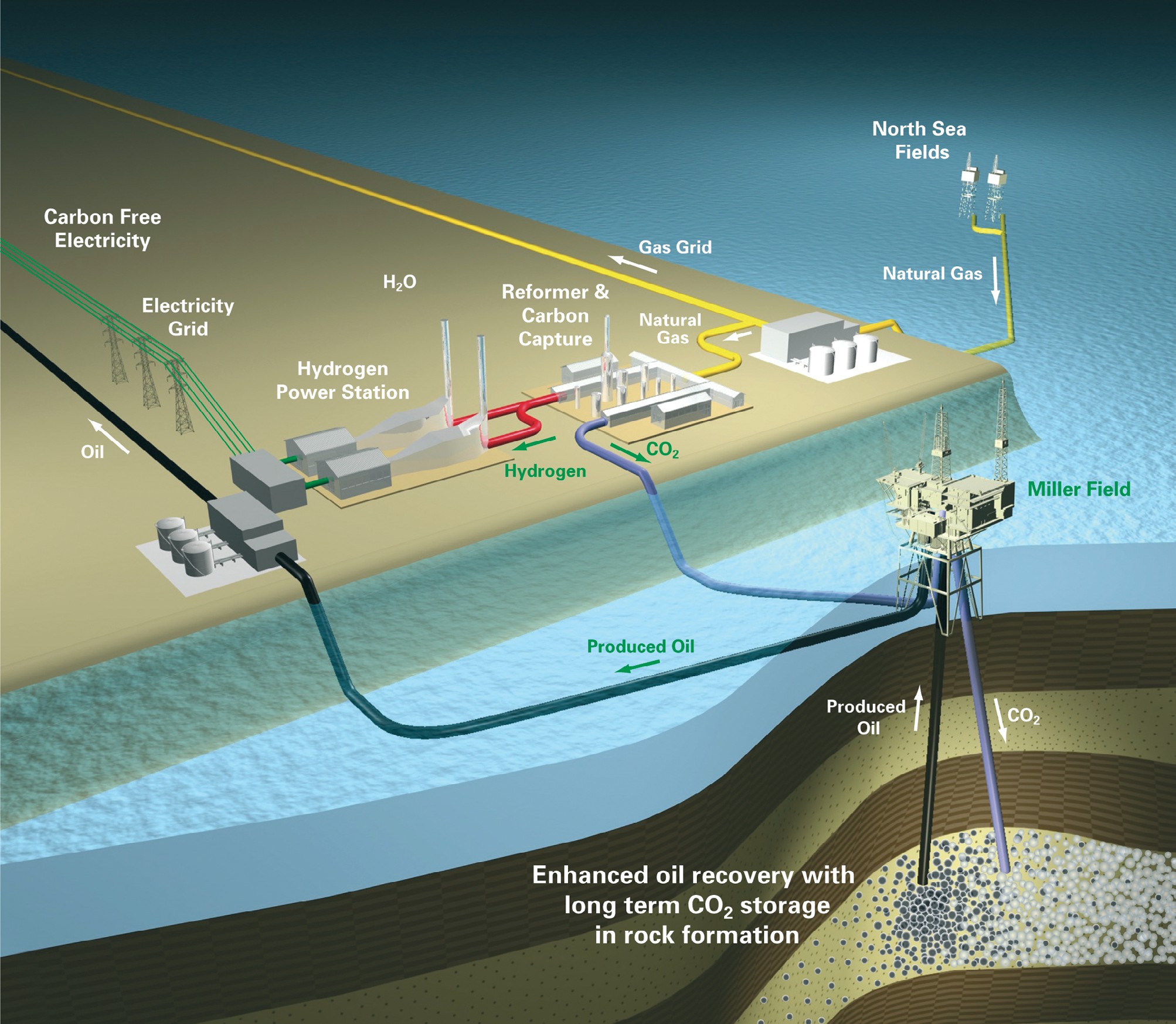
BP’s Peterhead Hydrogen Power Project, presently at the design stage, will take natural gas from North Sea fields and convert it to hydrogen and CO2. The hydrogen will then be used as a clean fuel in Scotland’s Peterhead power station, while the CO2 will be transported offshore via an existing pipeline and injected more than three kilometres under the seabed for enhanced oil recovery and long-term geological storage in the Miller Field.
The BP Peterhead hydrogen production and enhanced oil recovery Project.
The European Vision for Zero Emission Fossil Fuel Power Plants
The European Technology Platform for Zero Emission Fossil Fuel Power Plants (ZEP) arises from the commitment of the European energy industry, research community, Non-Governmental Organisations, Member States and the European Commission to create an effective European research, development, demonstration and deployment programme.
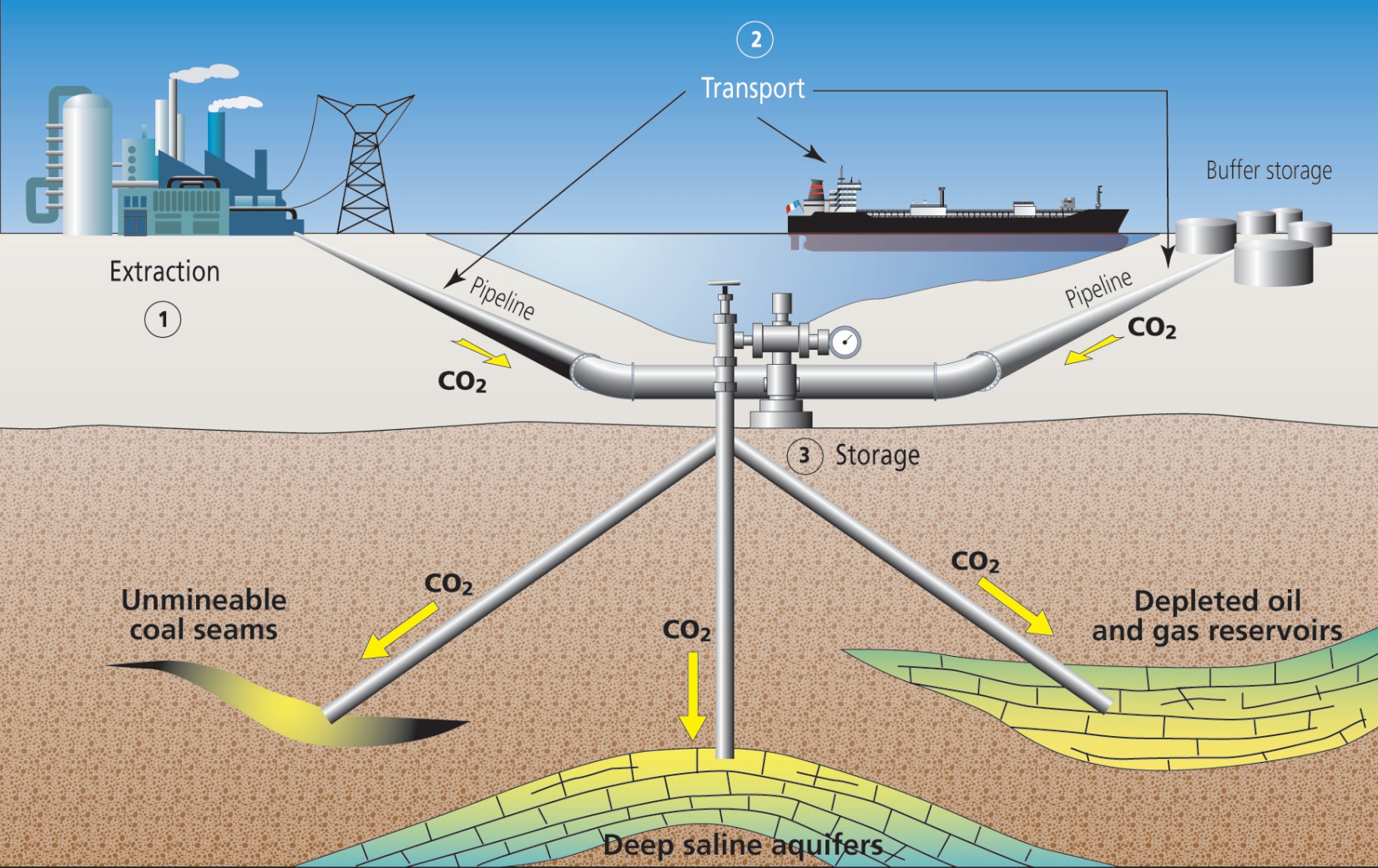
Three main steps for CCS to avoid CO2 release into the atmosphere (Courtesy of IFP)
The common vision of platform members will lead to joint actions aimed at identifying and developing a portfolio of technologies. These activities will take into account time, funding, the environment, public acceptance, and the fiscal and regulatory issues necessary for the successful deployment of Zero Emission Fossil Fuel Power Plants. ZEP will play a crucial role in developing and deploying new competitive options for Zero Emission Fossil Fuel Power Plants over the next fifteen years. The massive reductions in the emissions of CO2 from fossil fuel use will be achieved through the introduction of zero-emission technologies applicable to power plants and associated industrial processes. By 2020, fossil fuel power plants will either be capable of capturing almost all their CO2 emissions in an economically viable manner, or will be able to include CO2 capture systems (“capture-ready”). Worldwide adoption of these technologies would mean that CO2 emissions could be reduced by about 240 Gt CO2 — for the EU, a reduction of 30 Gt CO2 could be achieved. Between now and 2050, this would equate to a progressive diminution of 60% in CO2 emissions from power generation and demonstrate the importance of zero-emission fossil fuel energy.
In this scenario, and to ensure that the world benefits from fossil fuels without suffering environmental consequences, zero-emission fossil fuel technologies must be fuel flexible, highly efficient and cost-effective. Developing and deploying such technologies presents a significant yet surmountable challenge; one which Europe, with its knowledge, skills, commitment and infrastructure, is well-positioned to take up. EU industry has previously supplied close to half of the global fossil fuel power plant market and has an excellent reputation for innovation in the development of advanced systems and components. Europe will be on the edge of industrial and economic competitiveness under post-2012 conditions.
Plant performance
Carbon capture techniques will be applied to well-established fossil fuel power plant technologies, of which industry has many years of experience. Methods for transport and storage will build on the wealth of expertise already established in the oil and gas industries.
Zero-emission power plants can only be effectively established if issues of improved energy efficiency of fossil fuel use are addressed, together with the development and adoption of CO2 capture technologies. These options are not mutually exclusive and, above all, a CO2 capture plant must be based on the best available and appropriate underlying technology.
Increasing the efficiency of fossil-fired power plants leads to a reduction in both CO2 emissions and fuel consumption, whether it is combined with CO2 capture or not. Enhanced efficiency reduces environmental impact and saves energy resources. For the operator, less fuel consumption means a more competitive position — marginal costs for new power stations are reduced, with or without CO2-capture. Nevertheless, important limitations on efficiency increase arise through physical restrictions, and new technical solutions have to be found to raise efficiency in a cost-effective manner.
New ways to technical solutions for enhanced efficiency have opened up, thanks to changes in the regulatory framework and the current political imperative. However, cutting-edge technologies cannot be employed immediately – intensive research work must be carried out, specifically in the field of new materials, and innovations such as combined cycles based on coal need to be optimised. The next step for coal-fired power plants is to pass the “50% threshold” within the next decade. To this end, efficient full-scale demonstration plants, including overall system optimisation, must be constructed.
CO2 capture
Most of the power generation equipment commercially available today was designed for fuels and working fluids considerably different from those that are likely to be used in a future zero-emission power plant.
The main technologies currently being studied for CO2 capture are post-combustion separation, pre-combustion separation and oxy-fuel combustion. While post-combustion separation has thrown up its own challenges, the other two technologies involve substantial modifications to the combustion process and to major components of a power plant, whether it is natural gas or coal-fired. This means that, in addition to considerable research, extensive product development will be needed prior to the introduction of validated technologies into efficient and reliable power plants.
The capture of CO2 in power plants will come at a price, since it will require energy from the plant — this will not only affect the cost of electricity, it will also increase the use of fossil fuel at a plant level. Two complementary approaches are possible in dealing with the issue of efficiency. The first involves improving the efficiency of the conventional components of the power plant (as discussed previously) so that more efficient components compensate for the losses imposed by the capture process.
The second approach involves combining the improved efficiency of the CO2 capture technology plant (most of which is based on non-mature technology) with that of the whole plant by optimising the integrated system. The critical components for this include processes and equipment for coal gasification, oxygen production and separation of gases, which are presently lacking the economic and technical characteristics demanded by large-scale application in power generation. Issues such as reliability, scalability, maintainability, and effectiveness in certain ranges of temperatures and pressures, and consumption of water must be addressed.
The commercialisation of zero-emission power plants is not viable in the short term, and so a range of technologies and options for different fuels should be explored, rather than adopting a single approach to achieve zero emissions. In addition, the development of cross-cutting technologies such as new high temperature and corrosion resistant materials, advanced control systems and more efficient cooling schemes will be beneficial to all the future zero emission plants, making them more attractive to utility companies, particularly in the first stages of the learning process. Each technology option that shows significant promise will have to proceed to large-scale demonstration at the earliest opportunity.
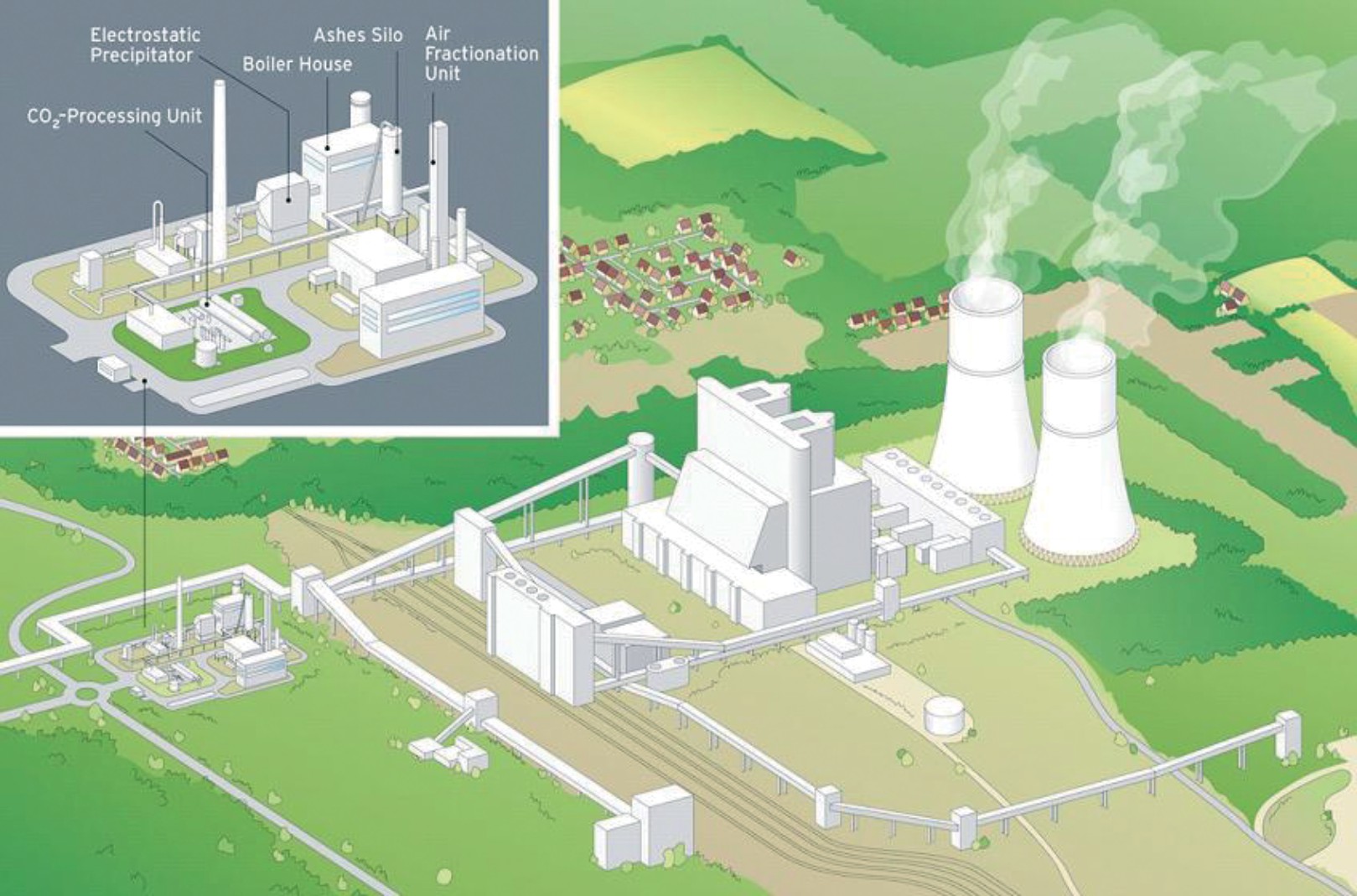
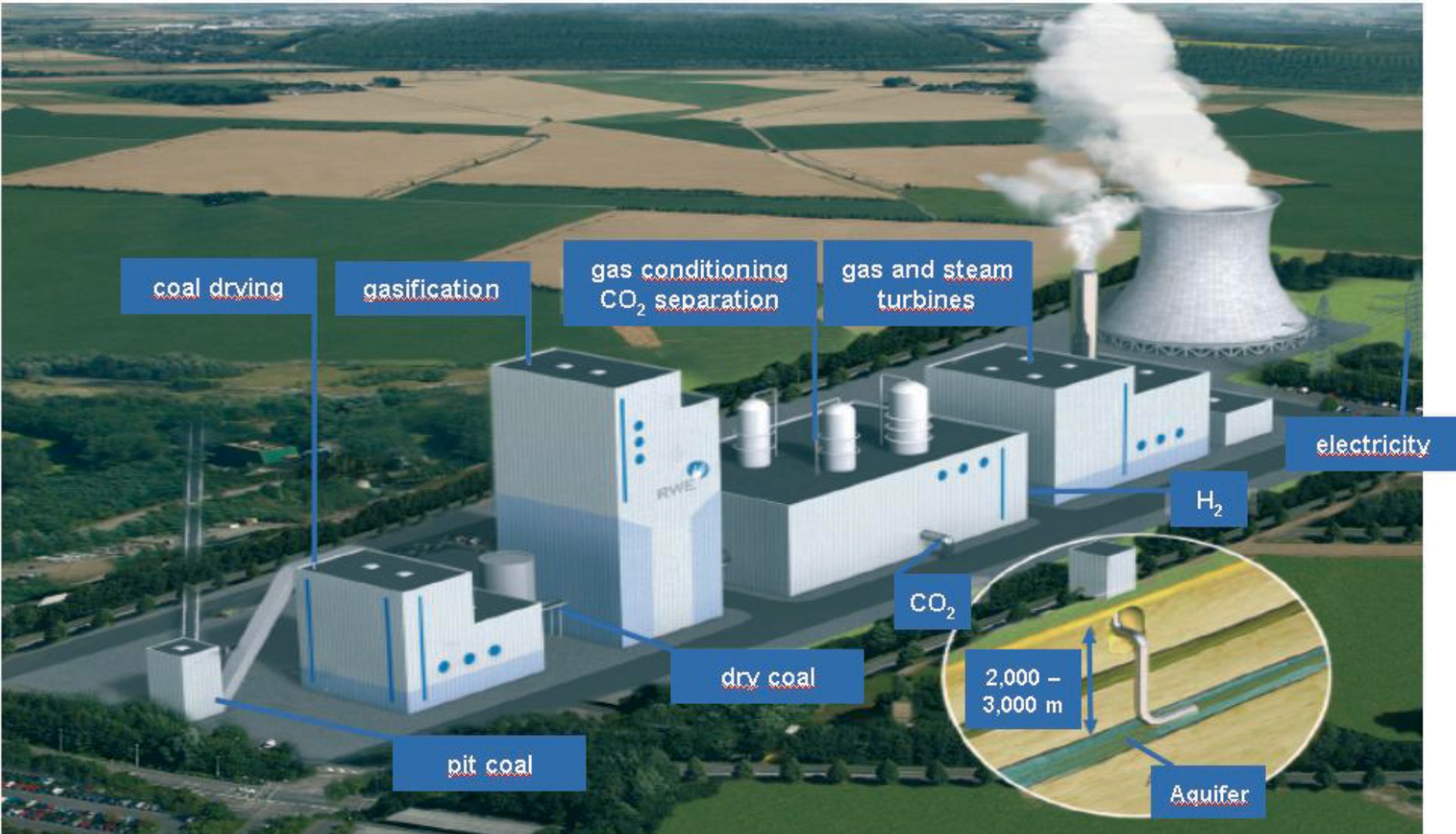
Vattenfall Europe are proceeding with the demonstration of the oxy-fuel combustion process, based on a 30MW unit to be constructed at the Schwarze Pumpe power station in GermanyRWE, as part of its climate strategy, is developing a Lighthouse CCS demonstration project, based on IGCC technology with CO2 storage in a local deep aquifer.Various possibilities for the geological storage of CO2 (IFP, ADEME, BRGM, 2005)
CO2 transport and infrastructure
Research and development are needed to establish adequate transport infrastructures for CO2 in Europe. In fact, CO2 is already transported in pipelines, but work is still needed to clarify particular requirements for captured CO2. Additionally, research must be used to identify both the technology and the market mechanisms required to transport CO2 from various production sources to where it can be used either for commercial processes or for safe long-term storage. The environmental impact of this process must also be identified.
Research and development must focus on:
Developing and optimising the use of intermediate storage systems (tanks, depleted gas fields, salt caverns)
Identifying and evaluating optimal links between potential sources of CO2 and sinks
Identifying transport infrastructure requirements with reference to volume scenarios for CO2 production and the storage capacity requirements
Optimising transport solutions between source and sink
Determining the potential demand for CO2 in commercial applications, e.g. enhanced oil or gas recovery
Assessing the impact of CO2 infrastructure on Trans European Networks such as electricity, gas and coal
Undertaking supply/demand and cost/benefit evaluations
Determining the environmental footprint of such infrastructure
Identifying R&D needs in the short, medium and long term
CO2 storage and use
Once captured and transported, most CO2 will be stored in geological reservoirs. The EU is interested in a number of such reservoirs, including depleted and disused oil and gas fields, deep saline aquifers and deep unmined coal seams6,7. Detailed knowledge and understanding are needed as to where and how CO2 can be stored. This understanding must include, for example, geographical locations, capacities, future behaviour in reservoirs, and associated risks, together with both national and international legal constraints. Attention must be given to the development of a monitoring methodology capable of building trust and confidence amongst citizens living in the vicinity of storage sites.
Aspects of health and safety aspects must be prioritised when selecting appropriate geological storage sites. The oil and gas industry and the research community already have experience in operating and monitoring natural gas aquifer storage, in CO2-enhanced oil recovery, and in natural CO2 reservoirs. This has led to a high degree of confidence that CO2 can be safely contained for several thousand years. To minimise any risks, technologies will most likely be developed from existing, well-established methodologies. The main potential problem is leakage from man-made pathways (such as bore holes) in the vicinity of storage sites, and this will require special attention as health and safety regulations are formulated.
Regarding CO2 use, currently, the only large volume application occurs in the oil and gas industry, through enhanced oil or gas recovery. Other applications can be found, but on a smaller scale, for example, in the production of plastics and methanol. An oriented research and development effort over the next twenty years, with an openness to new or even revolutionary ideas, which could lead to new scenarios involving higher volumes of CO2, is needed.
References
6. IFP, ADEME, BRGM (2005). CO2 Capture and Geological Storage
7. IEA Greenhouse Gas R&D Programme (200X). Geological Storage of CO2: What’s known, where are the gaps and what more needs to be done.
Markets and regulations
Major capital investment in new generation technologies is required, and so market studies driven by macro-economic considerations, population growth projections, prices of fossil fuels, progress of other technologies and social concerns must be performed.
These issues are crucial as, without strong regulatory policies, the investment and development required to deliver low carbon technologies are unlikely to be realised — the private sector would lack the long-term certainty needed to commit its funds. Industry requires clear, coherent and stable regulations and frameworks to promote the adoption of carbon capture and storage projects; an uncertain regulatory framework might trigger such high volatility of CO2 prices that risk increases and appropriate capital investment in low carbon technologies is discouraged.
There is also a need to determine the distribution of such risk across energy market players and governments. Thus, coordination between Member States and EU programmes and those of industry and the research community should be enhanced.
Regulatory policies applying to the long-term geological storage of CO2 must be defined, particularly with regard to monitoring, leakage and liability. In working to achieve this, the ZEP Strategic Research Agenda and Strategic Deployment Document will become involved with other EU initiatives, including the European Climate Change Programme II.
The way forward
Building on experience
Knowledge management will be developed and implemented to ensure that progress is optimised. The reinforcement of existing networks, together with the establishment of new ones, will support the expansion of knowledge and the advancement of its practical application. ZEP will assist in this, with all stakeholders working together to achieve the same objective.
Supporting R&D
The Strategic Research Agenda (SRA), showing the way for Europe to reach Zero Emission Fossil Fuel Power Plants by 2020, will define key areas for attention and will provide continuity for the RD&D programmes of both Member State governments and the European Commission. At the same time, industry will be encouraged to make a long-term commitment. A second document, the Strategic Deployment Document (SDD), will address how the technology will be transferred into the market, presenting a roadmap with interim target points. Crucially, the deployment plan will involve continued demonstration activities to showcase EU technology innovation, together with recommendations and ideas on regulations and policies that will establish a successful commercial business environment.
Coordination and integration
Coordination between stakeholders across Europe will enable knowledge transfer and the building of networks. Activities will be governed by the integrated research, development, demonstration and deployment strategy. A Mirror Group comprising the EU member countries will work with ZEP to reinforce coordination and integration of the SRA and SDD with member country objectives and initiatives. Alignment of the member EU countries with the recommendations of the SDD will provide the greatest opportunity for the success of the ZEP vision.
Effective dissemination
A significant amount of work remains to be done to promote public understanding that the technologies are safe and reliable and that substantial benefits will be gained from their deployment. Information to be disseminated must be well-researched, accurate, authentic, and presented in a clear and unambiguous way. Communications must underline the principal objective: an environmentally friendly, efficient, safe and competitive energy economy.


 Three main steps for CCS to avoid CO2 release into the atmosphere (Courtesy of IFP)